Next-Gen AI Interfaces
Posted on: September 6, 2025
Posted on: September 6, 2025
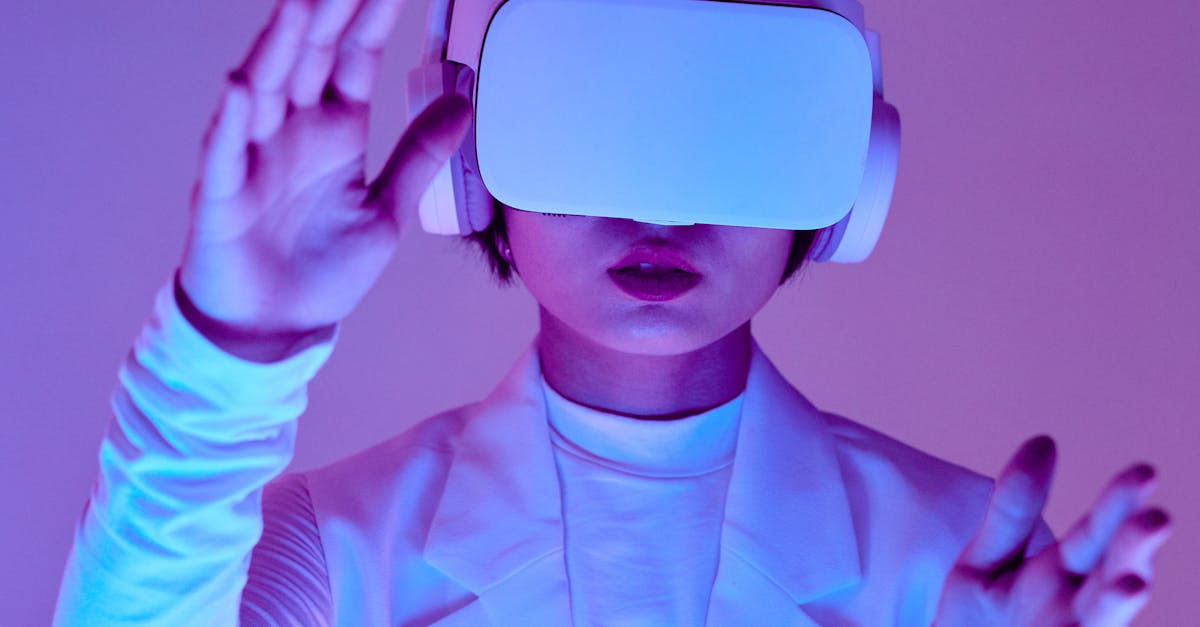
Artificial Intelligence (AI) technology is advancing rapidly, changing the way we interact with computers and devices. Next-gen AI Interfaces such as Voice, Gesture, and Multimodal systems are making interactions more natural and intuitive than ever before. These interfaces allow us to communicate with technology in ways that feel like talking, touching, and even gesturing with our hands.
AI Interfaces are the bridges between humans and machines. They enable us to give commands, ask questions, and receive responses through various inputs and outputs.
Voice AI uses speech recognition technology to listen to what you say. It then processes your words to find out what you want. With the help of advanced algorithms, AI can understand different languages, accents, and even emotions.
Gesture interfaces use cameras and sensors to detect movements of your hands and body. This technology translates your gestures into commands the AI can understand and respond to.
Multimodal AI combines multiple forms of input such as voice, gesture, facial recognition, and touch. This helps make communication with AI more natural and adaptable to different situations.
While next-gen AI interfaces are promising, there are challenges. Privacy concerns, accuracy of recognition, and the need for widespread adoption remain important. Researchers and developers continue to work on these issues to create smarter, safer, and more reliable AI systems.
Next-Gen AI Interfaces like voice, gesture, and multimodal technology are transforming how we interact with machines. By making communication more natural and accessible, they are paving the way for a future where technology feels more like talking to a helpful friend than using a device.